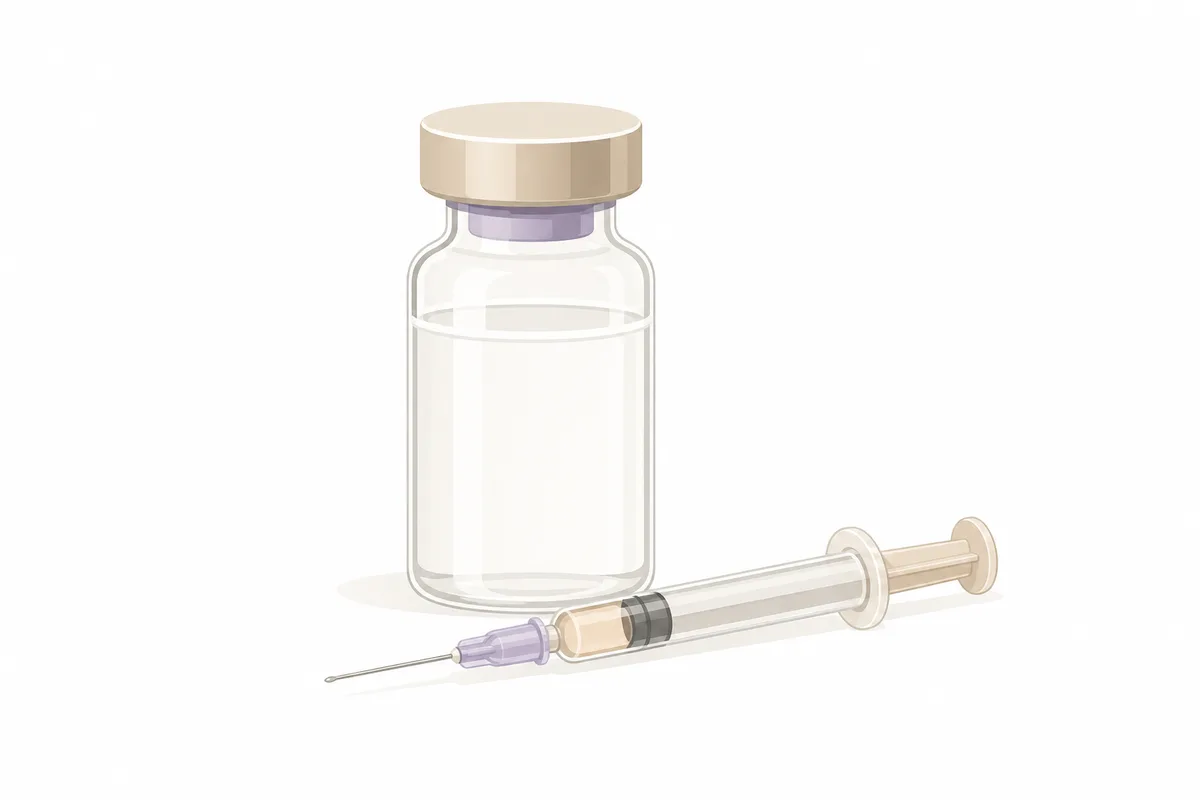
TL;DR: GLP-1 microdosing means taking semaglutide or tirzepatide at 50-75% below standard therapeutic doses, and roughly a third of users are already doing it — mainly to cut side effects and cost. But no clinical trials have tested sub-therapeutic dosing long-term, so its effectiveness and safety remain scientifically unproven.
Microdosing GLP-1 medications has emerged as one of the most discussed trends in peptide research. A 2025 survey found that 36% of GLP-1 users are currently microdosing their medication, with another 32% having tried it in the past. But what exactly is microdosing, and what does the science say?
What Is GLP-1 Microdosing?
Microdosing refers to using GLP-1 medications like semaglutide and tirzepatide at doses lower than the standard therapeutic ranges — often 50-75% below typical protocol doses.
Standard vs. Microdose Ranges
| Peptide | Standard Dose Range | Microdose Range |
|---|---|---|
| Semaglutide | 0.25mg - 2.4mg weekly | 0.05mg - 0.25mg weekly |
| Tirzepatide | 2.5mg - 15mg weekly | 0.5mg - 2.5mg weekly |
Key distinction: Microdosing isn’t about the starting/titration dose — it’s about intentionally staying at sub-therapeutic levels long-term.
Why People Microdose
Survey data reveals the primary motivations:
| Reason | Percentage |
|---|---|
| Reduce side effects | 66% |
| Cost management | 38% |
| Maintenance after weight loss | 28% |
| “Optimization” without major weight loss | 18% |
2025 survey of GLP-1 users; respondents could pick more than one reason.
The Side Effect Problem
Standard GLP-1 doses frequently cause:
- Nausea (30-50% of users)
- Vomiting (10-20%)
- Constipation/diarrhea
- Fatigue
- Reduced appetite to uncomfortable levels
Many users find these effects diminish quality of life, leading them to seek lower doses that provide some benefit with fewer side effects.
The Cost Factor
Without insurance, GLP-1 medications cost $800-1,300+ monthly. Microdosing can stretch a single vial or pen significantly longer:
| Approach | Monthly Semaglutide Use | Approximate Duration |
|---|---|---|
| Standard (1mg/week) | 4mg | 1 month per 4mg |
| Microdose (0.25mg/week) | 1mg | 4 months per 4mg |
The “Optimization” Use Case
A growing segment uses GLP-1s not for weight loss but for purported benefits at sub-therapeutic doses:
- Reduced alcohol cravings
- Decreased compulsive behaviors
- “Cognitive optimization”
- Inflammation reduction
Important: These off-label uses have minimal clinical evidence.
What Does the Research Say?
The Limited Evidence
Here’s the uncomfortable truth: there is almost no clinical research specifically on GLP-1 microdosing.
Clinical trials studied:
- Semaglutide: 0.25mg (titration) → 0.5mg → 1mg → 1.7mg → 2.4mg
- Tirzepatide: 2.5mg (titration) → 5mg → 7.5mg → 10mg → 12.5mg → 15mg
The 0.25mg semaglutide dose was designed as a 4-week titration step, not a maintenance dose. No trials have studied long-term outcomes at sub-therapeutic levels.
What We Do Know
Dose-Response Relationship: Studies consistently show higher doses = more weight loss:
| Semaglutide Dose | Average Weight Loss (68 weeks) |
|---|---|
| 0.5mg weekly | ~5-7% |
| 1.0mg weekly | ~10-12% |
| 2.4mg weekly | ~15-17% |
Average body-weight loss at 68 weeks (trial midpoints). Microdose amounts fall below the 0.5mg studied floor.
Minimum Effective Dose: Research suggests meaningful metabolic effects require at least 0.5mg semaglutide weekly. Below this, effects may be minimal or absent.
The Pharmacokinetic Question
GLP-1 medications have specific pharmacokinetic profiles:
| Parameter | Semaglutide | Tirzepatide |
|---|---|---|
| Half-life | ~7 days | ~5 days |
| Steady state | 4-5 weeks | 4-5 weeks |
| Peak levels | 1-3 days | 1-2 days |
At very low doses, plasma concentrations may not reach levels needed to activate GLP-1 receptors effectively. This is the core scientific concern with microdosing.
The Arguments For Microdosing
Proponents argue:
- Individual Variation: Some people are “super responders” who see effects at lower doses
- Non-Weight Benefits: Inflammation, cravings, and metabolic markers may improve at sub-therapeutic doses
- Risk Reduction: Lower doses mean lower risk of adverse effects
- Sustainability: More tolerable long-term approach
- Maintenance Strategy: After reaching goal weight, lower doses may maintain results
Anecdotal Reports
Online communities report:
- Reduced alcohol and sugar cravings at 0.1-0.25mg semaglutide
- Maintenance of weight loss at 50% of peak dose
- Improved relationship with food without complete appetite suppression
Caveat: Anecdotal reports are subject to placebo effect and selection bias.
The Arguments Against Microdosing
Critics point out:
- No Clinical Evidence: Zero randomized trials on microdosing protocols
- Subtherapeutic Levels: May not reach receptor activation threshold
- False Economy: Ineffective treatment is expensive at any price
- Delayed Care: May prevent people from accessing evidence-based treatment
- Unknown Risks: Long-term effects of chronic sub-therapeutic dosing unknown
Professional Organization Stance
The American Diabetes Association and obesity medicine societies do not endorse microdosing. Their position: patients should work with healthcare providers to find the lowest effective dose, not arbitrarily low doses.
Microdosing Protocols Being Discussed
Disclaimer: These are community-reported protocols, not medical recommendations.
Protocol 1: Ultra-Low Start
| Week | Semaglutide Dose | Notes |
|---|---|---|
| 1-4 | 0.0625mg | Quarter of starting dose |
| 5-8 | 0.125mg | Half of starting dose |
| 9-12 | 0.25mg | Standard starting dose |
| 13+ | Assess and adjust | Based on response |
Protocol 2: Maintenance Microdose
After reaching goal weight on standard doses:
| Phase | Dose | Duration |
|---|---|---|
| Taper | Reduce 25% monthly | 2-3 months |
| Maintenance | 25-50% of peak dose | Ongoing |
Protocol 3: “Optimization” Microdose
| Goal | Dose Range | Frequency |
|---|---|---|
| Craving reduction | 0.1-0.25mg | Weekly |
| Metabolic support | 0.25-0.5mg | Weekly |
Safety Considerations
Don’t Microdose Without Understanding
- Compounded GLP-1s carry their own risks (purity, sterility)
- Click counting from pens is imprecise
- Insulin syringes allow precise dosing from vials
- Storage matters — reconstituted peptides degrade over time (see our peptide storage guide)
Red Flags
Seek medical attention if experiencing:
- Severe abdominal pain
- Persistent vomiting
- Signs of pancreatitis
- Allergic reactions
- Significant mood changes
Who Should NOT Microdose
- Those with history of medullary thyroid cancer
- People with MEN2 syndrome
- Those with history of pancreatitis
- Pregnant or breastfeeding individuals
- Anyone without proper medical oversight
The Compounding Factor
Much of the microdosing trend is enabled by compounded GLP-1s, which allow:
- Precise dose selection
- Lower cost per dose
- Vial format (easier to measure small amounts)
Compounded medications offer flexibility that pre-filled pens don’t provide, making them popular for customized protocols.
Practical Reconstitution for Microdosing
If using research-grade semaglutide for microdosing research, follow careful handling practices from our peptide reconstitution guide:
High-Dilution Protocol
| Vial Size | BAC Water | Concentration | Per Unit |
|---|---|---|---|
| 5mg | 2mL | 2.5mg/mL | 25mcg/unit |
| 5mg | 5mL | 1mg/mL | 10mcg/unit |
| 5mg | 10mL | 0.5mg/mL | 5mcg/unit |
Higher dilution = more precise small-dose measurement.
Example: 0.125mg Dose
With 5mg in 5mL (1mg/mL concentration):
- Draw 0.125mL = 12.5 units = 0.125mg
With 5mg reconstituted in 5mL (1mg/mL), 12.5 units on a U-100 syringe = 0.125mL = 0.125mg.
The Bottom Line
GLP-1 microdosing is a real phenomenon with genuine user interest but limited scientific support. Key takeaways:
| Aspect | Reality |
|---|---|
| Evidence base | Minimal to none |
| User interest | Very high (36%+ trying it) |
| Professional endorsement | None currently |
| Potential benefits | Plausible but unproven |
| Risks | Largely unknown |
If considering microdosing:
- Understand there’s no clinical evidence supporting it
- Work with a knowledgeable healthcare provider
- Use precise measurement techniques
- Monitor outcomes objectively
- Be prepared for it to not work
FAQ
Is GLP-1 microdosing backed by clinical research? No. Every semaglutide and tirzepatide trial tested doses within standard titration ranges; none evaluated sustained sub-therapeutic dosing. Evidence for microdosing comes from anecdotal reports and inference from dose-response data rather than controlled studies, so claimed benefits and long-term safety remain unverified.
Why do people microdose GLP-1 medications? Survey data shows the top reasons are reducing side effects (66%), managing cost (38%), and maintaining results after reaching a goal weight (28%). A smaller group microdoses for purported off-label effects like reduced cravings, though evidence for these uses is minimal.
What is the minimum effective dose for semaglutide? Research suggests meaningful metabolic effects generally require at least 0.5mg of semaglutide weekly. Below that threshold, plasma concentrations may not reliably activate GLP-1 receptors, meaning many popular microdose amounts fall into scientifically untested territory rather than a proven “low and effective” zone.
How is microdosing different from standard titration? Titration is a temporary 4-8 week ramp-up (e.g., 0.25mg semaglutide) designed to reduce initial side effects before reaching a therapeutic dose. Microdosing intentionally stays at those low levels indefinitely instead of progressing upward — a fundamentally different and unstudied usage pattern.
Can compounded GLP-1 vials be used for microdosing research safely? Compounded vials allow finer dose measurement with insulin syringes, but they add variables like purity, sterility, and storage stability that pre-filled pens otherwise control for. Sourcing from suppliers with third-party COA testing and following proper reconstitution guidance is essential context for this research.
Related Resources
- Semaglutide 5mg Dosage Guide
- Semaglutide 10mg Dosage Guide
- Tirzepatide Dosage Guides
- Switching from Semaglutide to Tirzepatide
- Cost Per Dose Calculator
Sourcing for Research
Source from verified suppliers that provide third-party testing and certificates of analysis (COA) for each batch. Compare purity documentation, shipping conditions, and batch traceability before purchasing research materials — see our peptide quality and safety guide and guide to understanding peptide purity and COAs for a deeper breakdown.